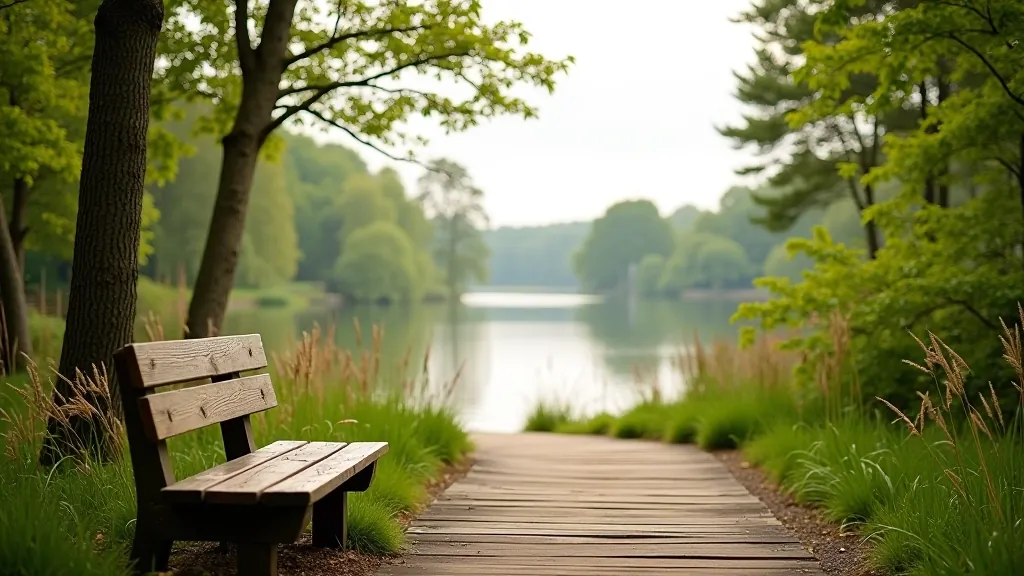

Island Views Worth the Journey
The islands scattered across the lough each have their own character. We break down what you'll see from the boardwalk.
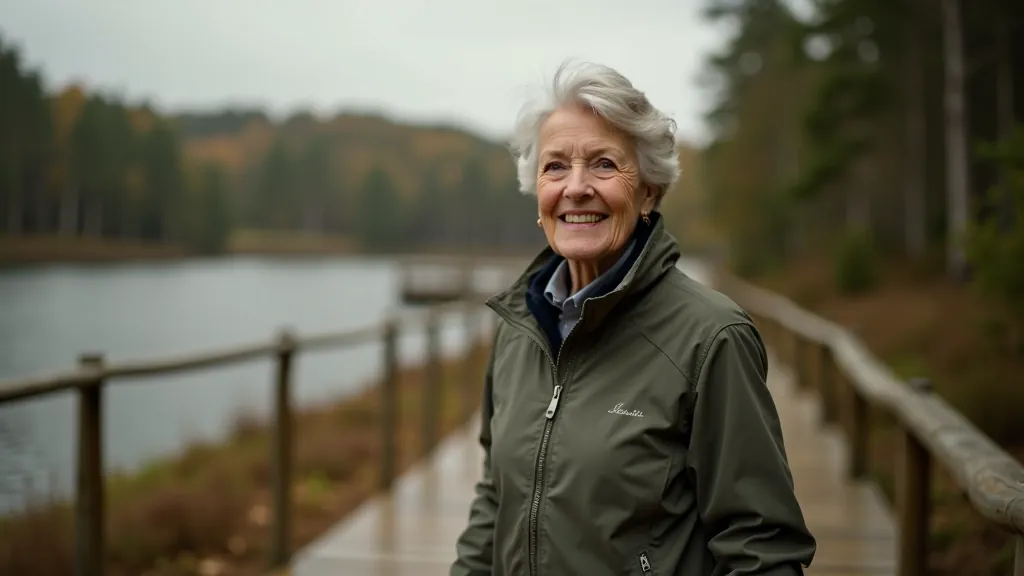
Pacing matters when you're exploring the boardwalk at Lough Key. It's not about rushing from one end to the other — it's about finding a rhythm that lets you actually enjoy what's around you without leaving yourself exhausted. We'll share practical techniques for sustainable walking that fit how your body feels on any given day.
Most people approach the boardwalk thinking they need to cover the entire 1.2 km loop. Here's the thing — you don't. What matters is walking at a pace that feels natural for you. Start slow. Really slow. The kind of pace where you can talk comfortably without getting breathless.
There's a difference between a casual stroll (about 2 km/hour) and a moderate walking pace (3-4 km/hour). Neither is wrong. Pick whichever feels sustainable for you. Some people prefer stopping frequently to look at the water and the trees. Others like keeping a steady rhythm. Both approaches work.
You'll notice your body settles into a rhythm after about 5-10 minutes of walking. That's when it gets easier. Your breathing becomes automatic, your legs find their stride, and you stop thinking about the effort. That's when you're actually enjoying the walk instead of just doing it.
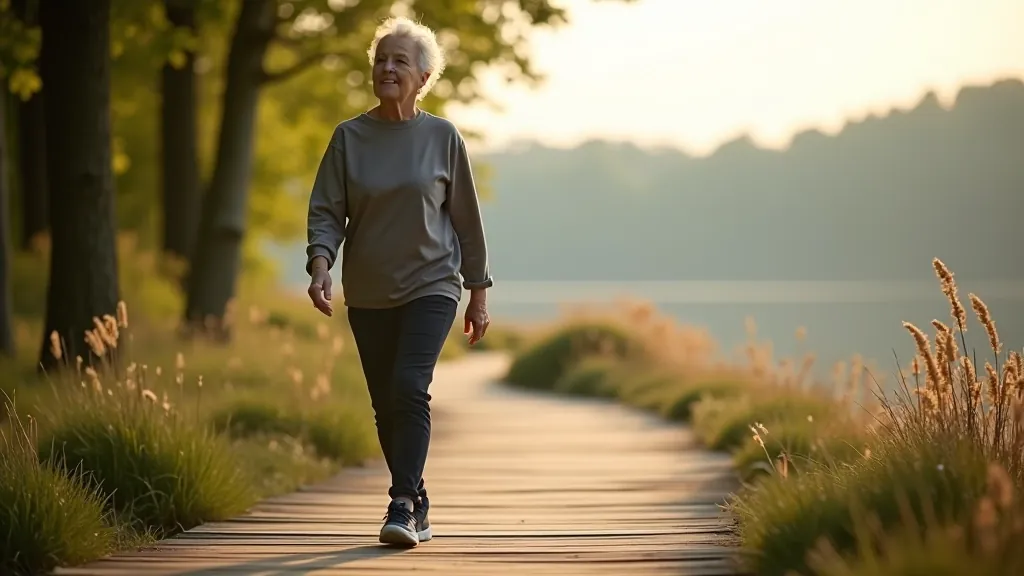
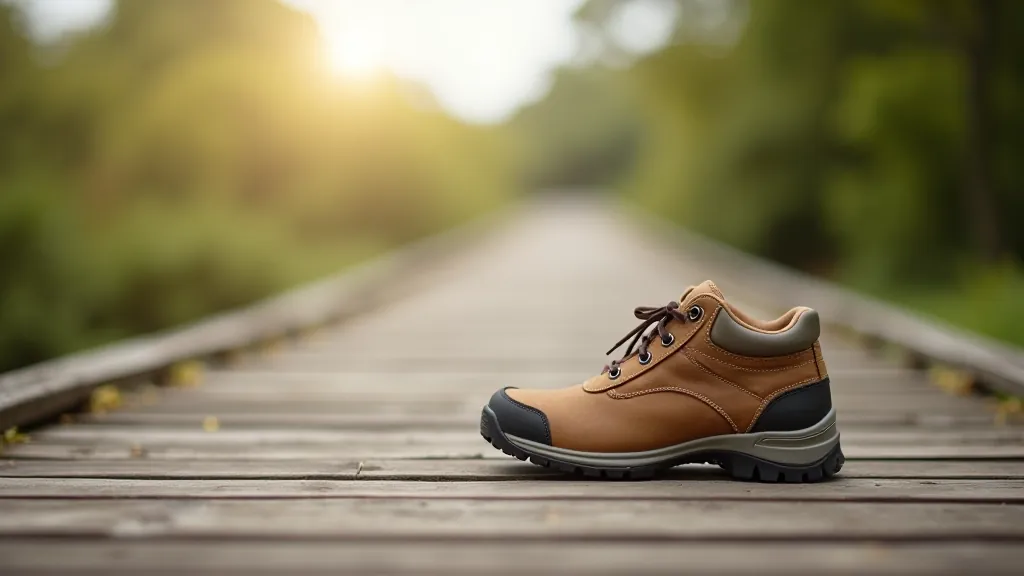
Think of your walk in three phases. The warm-up (first 10-15 minutes) is where your body adjusts. Don't push it. Walk gently, let your muscles warm up, and let your heart rate settle into a comfortable zone.
The middle section (15-30 minutes) is your main walk. This is when you're warm, your breathing is steady, and you can actually take in the scenery. It's the best part. You've stopped thinking about effort and you're present.
The cool-down (last 5-10 minutes) means slowing your pace again. Don't stop abruptly. Gradually reduce your speed, let your heart rate come down naturally, and finish feeling relaxed rather than exhausted.
Breathe in for 4 steps, out for 4 steps. It sounds simple, but this rhythm takes your mind off effort and keeps your pace steady. You'll find yourself naturally walking in sync with your breathing instead of the other way around.
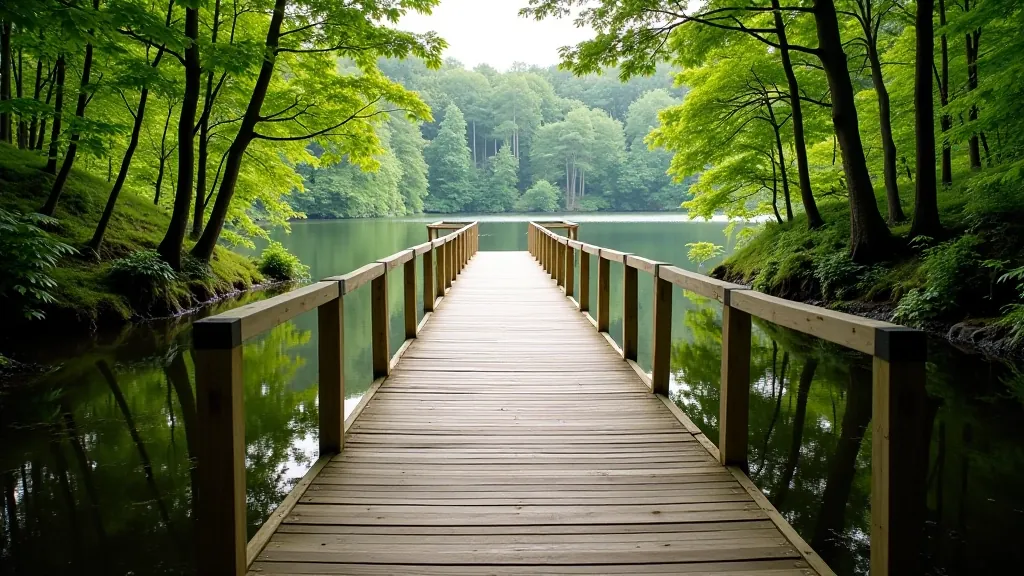
Watch the boardwalk about 2-3 metres ahead. Not your feet, not far away — just ahead enough to see any rough spots or water. This keeps you balanced and prevents the stumbles that drain your energy.
Stand upright but relaxed. Shoulders back, not hunched. Swing your arms naturally. Good posture actually reduces the effort your legs need to put in. You'll be surprised how much easier it feels when you're not leaning forward.
Land on your heel, roll through the foot, push off with your toes. It's how your body naturally walks when you're not forcing it. This rolling motion reduces impact and actually lets you walk further without joint strain.
Morning walks tend to be easier than afternoon ones — you're fresher. Late morning (around 10-11am) is often the sweet spot when you're warmed up but not tired. Pick the time that suits your energy level best.
Bring water and maybe a light snack. You don't need much — a bottle of water and a banana does the job. Staying hydrated actually makes walking feel easier. You'll notice the difference in how your legs feel when you're properly hydrated.
Here's what we've seen work with people who visit regularly. Start with shorter walks. Maybe just 15-20 minutes the first time. Your body adapts faster than you'd think. After 3-4 visits, that feels easy. Then you can naturally extend to 30 minutes, then longer if you want.
The boardwalk's brilliant for this because you're not committed to anything. Feel good? Keep going. Tired? There's a bench 200 metres back. No pressure. You'll find your natural rhythm emerges from doing it a few times, not from forcing yourself on the first visit.
Pay attention to what feels good. Some people thrive with a steady pace, others prefer stopping frequently to look at things. Some walk in silence, others love having someone to chat with. There's no wrong way. Your rhythm is yours — not what someone else does or what you think you "should" do.
This article provides educational information about walking techniques and pacing strategies for recreational boardwalk visits. It's not medical or professional advice. Everyone's fitness level and physical needs are different. If you have any health concerns, existing injuries, or questions about whether walking is appropriate for you, speak with your doctor or a physiotherapist before starting. The boardwalk at Lough Key is a public space with natural terrain — always check current conditions before visiting and take appropriate safety precautions.